

Our chiropractic difference explained!!!
Why did I incorporate CBP® postural correction into the CCCV?
After several years of practicing chiropractic care, I wanted to evolve my treatment approach to one that would not only assess symptoms and function, but also objectively measure certain postural and spinal alignment parameters.
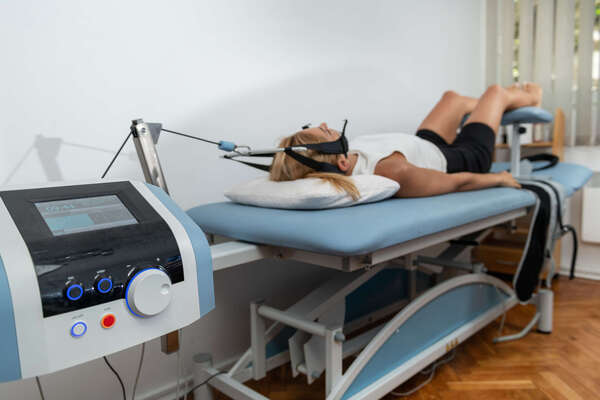
It was through this process that I discovered Chiropractic BioPhysics® (CBP®), a method that combines clinical examination, postural analysis, corrective exercises, and—depending on the patient’s needs—specific postural traction techniques.
I was particularly interested in this approach because of the emphasis it places on measurement, biomechanics, and the objective reassessment of results.
My Introduction to Chiropractic BioPhysics®
In 2011, I attended a seminar in London led by Dr. Deed Harrison, which focused in particular on the biomechanics of the spine and methods of postural correction.
This training led me to delve deeper into the literature on sagittal alignment of the spine, spinal curvatures, and the various methods for measuring changes in these curvatures.
I then decided to pursue specialized training in Chiropractic BioPhysics® in order to gradually incorporate these principles into my practice at the CCCV.
Learn about our approach to CBP® postural correction
From Training to Practical Application at the CCCV
I then continued my training in Chiropractic BioPhysics® in the United States to gain a deeper understanding of assessment and postural correction protocols, as well as the use of specific exercises and traction techniques.
This development has gradually changed the way I organize my practice at the CCCV. The goal was no longer simply to monitor changes in symptoms, but also—when appropriate—to measure certain postural parameters before, during, and after treatment.
This approach is based on a simple principle: assess, measure, treat, and then reassess. Clinical outcomes remain essential, but they can be supplemented by objective measurements when appropriate.
Why measure posture and spinal curvatures?
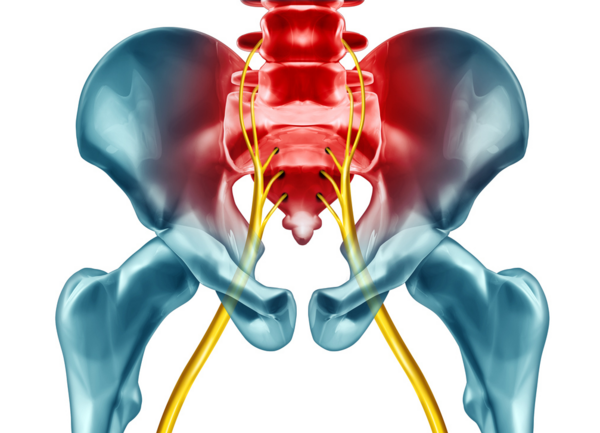
A postural examination allows for the observation of, among other things, the position of the head, chest, and pelvis, as well as their overall balance.
When clinically indicated, radiographic analysis can provide additional information on certain alignment parameters and on cervical, thoracic, and lumbar curvatures.
These findings should not be interpreted in isolation: a radiographic abnormality is not necessarily the cause of a patient’s symptoms. They are one component of the evaluation and should be considered in conjunction with the clinical examination, function, and symptoms.
What sets our approach at CCCV apart?
At the CCCV, treatment is not based on a single technique applied systematically. It is tailored to the clinical examination, symptoms, function, and, when relevant, measured postural parameters.
Depending on the patient's needs, she may combine chiropractic care, corrective exercises, and specific CBP® postural correction techniques, including postural traction.
This approach has several sequential objectives: to mobilize, relieve pain, improve function, correct certain postural parameters when correction is indicated, and then stabilize the results achieved.
The reassessment then makes it possible to compare clinical progress and, when warranted, certain objective measures in order to adjust the course of treatment.
Postural correction tailored to each patient
Two patients with similar pain may have very different clinical and postural conditions. That is why the treatment plan is tailored to each patient based on the examination, age, symptoms, functional abilities, and goals.
Some situations primarily require symptomatic and functional management. In other cases, specific treatment focused on posture or certain spinal curvatures may be considered.
When necessary, the patient may also be referred to a doctor or another healthcare professional for additional tests or treatment.
Learn about CBP® postural correction at the CCCV
See the main reasons for seeking care
An approach based on evaluation and reevaluation
The integration of Chiropractic BioPhysics® has transformed my practice into one in which assessment, measurement, and reassessment play a central role.
The goal is not to seek a “perfect” posture, but to determine, for each patient, which factors are clinically relevant and which goals can reasonably be pursued.
Today, this approach is one of the cornerstones of our work at the Centre Chiropractic de la Colonne Vertébrale (CCCV) in Paris 7, combining chiropractic care, postural correction when indicated, and personalized follow-up.
Would you like to have your spine and posture evaluated?