

Chiropractic BioPhysics® (CBP®) and Postural Correction in Paris 75007
How does Chiropractic BioPhysics® (CBP®) work?

Chiropractic BioPhysics® (CBP®) is a chiropractic approach that combines clinical evaluation, postural analysis, and specific techniques for correcting posture and spinal alignment.
At the CCCV, treatment is based on objective measures that help identify the areas that need improvement and tailor the program to each patient.

Depending on the situation, the practitioner may combine chiropractic care, corrective exercises, and specific postural traction, with periodic reassessments of progress throughout the course of treatment.
Our approach: assess, measure, correct, and reassess
EVALUATE
- Clinical, orthopedic, neurological, and postural examinations to identify factors relevant to treatment.
MEASURE
- Postural analysis and, when indicated, precise radiographic measurements of the spine.
CORRECT
- Chiropractic care, corrective exercises, and specific postural traction tailored to the measured parameters.
RE-EVALUATE
- Assessment of clinical and functional progress and, when indicated, comparison of certain postural or radiographic parameters.
What does a Chiropractic BioPhysics® treatment session involve?
Chiropractic Care
Chiropractic care aims to improve the mobility and function of the spine and the affected joints. The techniques used are tailored to the clinical examination, symptoms, and individual characteristics of each patient.
As part of CBP® treatment, these therapies may be combined with a postural correction program that includes specific exercises and traction.
Corrective Exercises
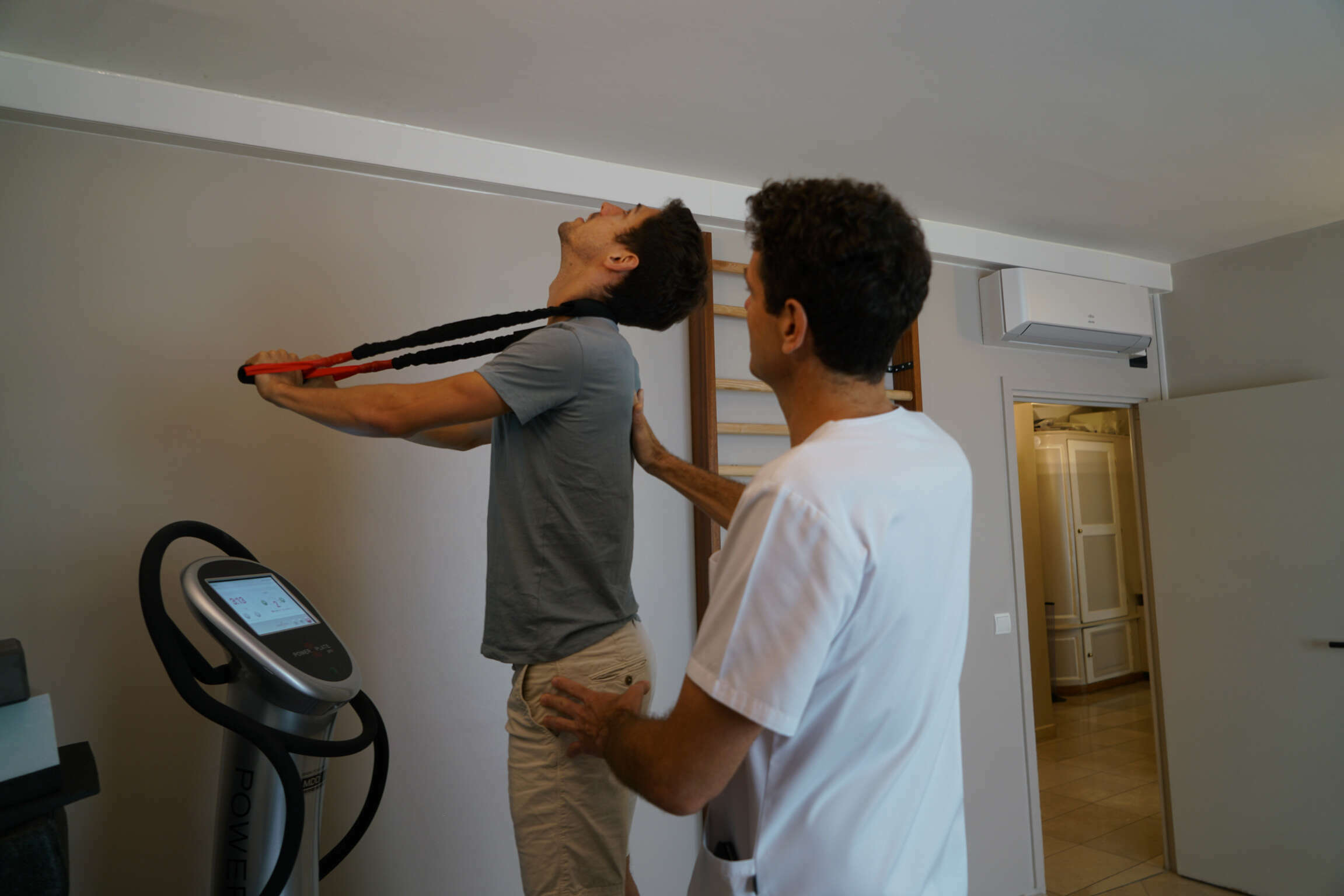
Corrective exercises are selected based on the postural characteristics observed in each patient. They are designed to specifically target mobility, postural control, and muscle function.
They can be performed at the office and then continued at home when appropriate. Their content and progression are tailored to the treatment plan and the patient’s progress.
CBP® Postural Tractions
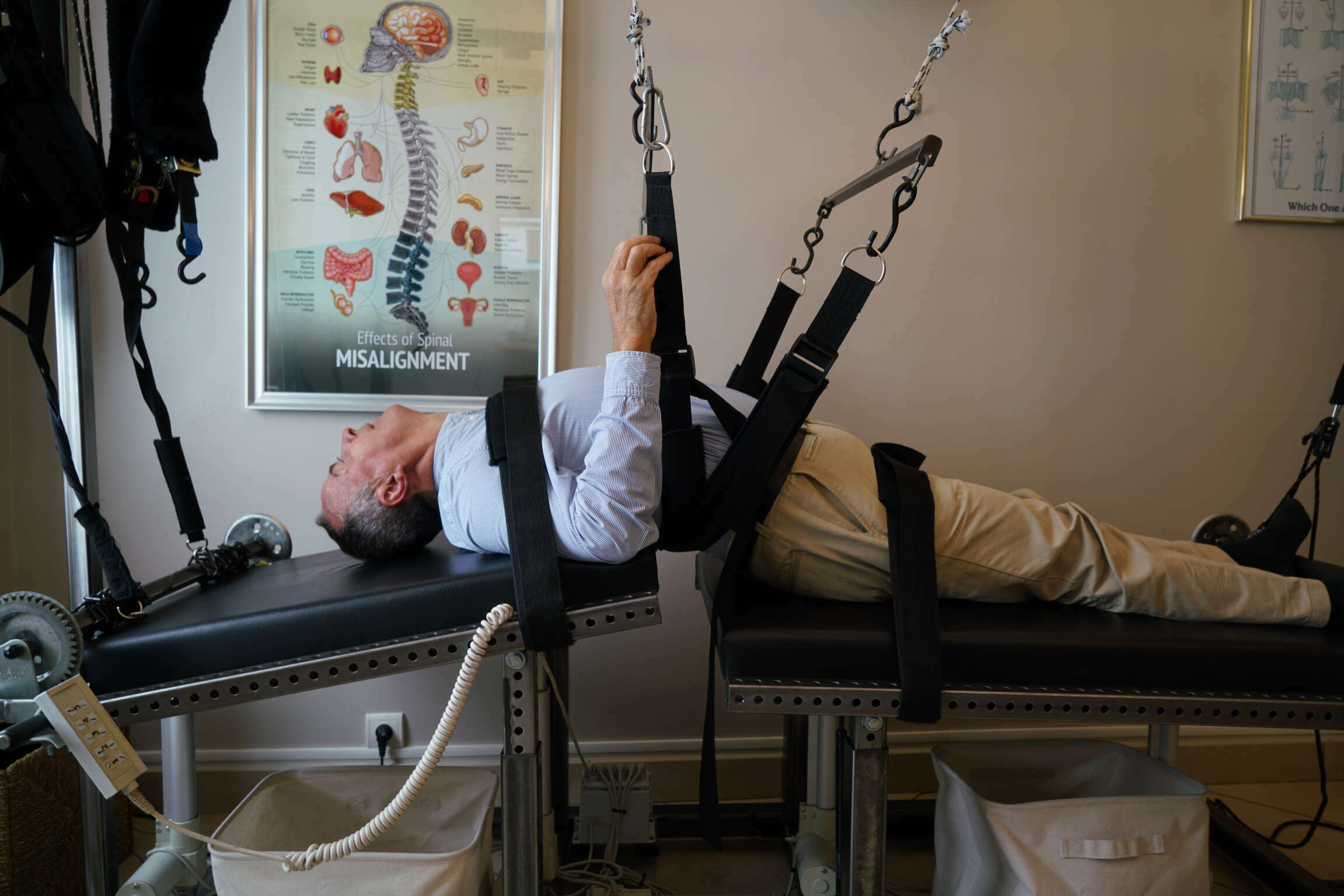
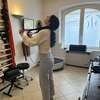
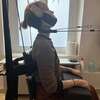
Postural adjustments are one of the specific elements of Chiropractic BioPhysics® (CBP®). They involve the application of progressive, controlled forces in specific directions determined by a postural evaluation and, when indicated, radiographic findings.
The goal is to gradually apply traction to the spinal structures in order to address specific postural issues and spinal curvatures. The type of traction, its intensity, and its duration are individually tailored and gradually adjusted throughout the course of treatment.
Objectively measuring progress
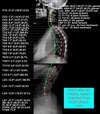
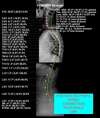
Reassessment allows for the measurement of the patient’s progress throughout the course of care. It takes into account the symptoms, function, mobility, and postural parameters observed during the initial assessment.
When clinically indicated, certain radiographic measurements may be compared to objectively assess changes in spinal parameters and adjust the treatment plan accordingly.
In what situations can CBP® be used?
Chiropractic BioPhysics® can be incorporated into the management of patients with certain postural disorders or changes in the curvature of the spine. Its use depends on the clinical examination, the patient’s goals, and the parameters measured during the evaluation.
At the CCCV, this approach may be considered, in particular, in certain situations involving scoliosis, hyperkyphosis, or changes in cervical and lumbar curvatures.
Scoliosis
Scoliosis scoliosis is a three-dimensional deformity of the spine. Its evaluation is based on clinical examination and, when indicated, on radiographic measurements, which make it possible, in particular, to quantify the curvatures and monitor their progression.
Hypercyphosis
Hyperkyphosis is characterized by an increased thoracic curvature. Assessing it helps distinguish between a postural and flexible component and a more structural deformity, in order to tailor treatment.
Cervical and Lumbar Curves
Postural analysis can also reveal changes in cervical or lumbar curvature. These findings must always be interpreted in conjunction with the clinical examination, the patient’s function, and their symptoms.
What does scientific research say about CBP®?
Chiropractic BioPhysics® (CBP®) has been the subject of publications focusing, in particular, on the measurement of spinal alignment and on various traction techniques designed to correct certain spinal curvatures.
From clinical trials have specifically examined cervical extension traction and reported measurable changes in cervical lordosis. A systematic review published in 2021 identified nine controlled trials focusing on these techniques.
Studies have also examined traction techniques aimed at lumbar lordosis. Asystematic review from 2020 identified a more limited number of controlled trials, showing radiographic changes in lordosis in the groups using these techniques.
These results should be interpreted in light of clinical findings and the still-variable quality and quantity of available data, and do not imply that radiographic correction is necessary or indicated in every patient.
Scientific References
- Oakley PA, Moustafa IM, Harrison DE. Restoring cervical lordosis through cervical extension traction methods in the treatment of cervical spine disorders: a systematic review of controlled trials. Journal of Physical Therapy Science, 2021. This review identified 9 controlled trials.
- Oakley PA, Ehsani NN, Moustafa IM, Harrison DE. Restoring lumbar lordosis: a systematic review of controlled trials utilizing the Chiropractic BioPhysics® (CBP®) non-surgical approach to increasing lumbar lordosis in the treatment of low back disorders. Journal of Physical Therapy Science, 2020;32(9):601–610. DOI: 10.1589/jpts.32.601. The review covers three separate controlled trials, two of which were randomized.
Would you like to know if the CBP® is right for you?
An initial consultation allows us to perform a clinical and postural examination, identify the relevant aspects of your condition, and determine whether a treatment plan incorporating Chiropractic BioPhysics® may be appropriate.
At the CCCV in Paris, the treatment plan is tailored to each individual based on the examination, symptoms, the patient’s goals, and the tests performed.
CBP® in Practice at the CCCV